W12 estate cleaning guide for Shepherds Bush Green residents
Posted on 13/08/2026
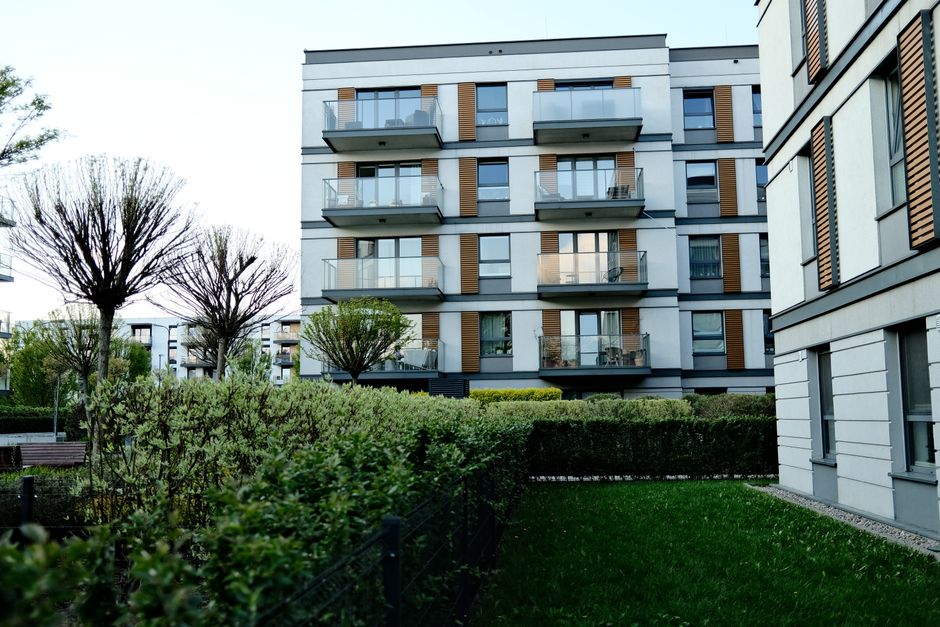
W12 Estate Cleaning Guide for Shepherds Bush Green Residents
If you live near Shepherds Bush Green, you already know how quickly a building can go from tidy to tired-looking. One wet week, a few muddy shoes, a couple of takeaway bags left in the hallway, and suddenly the shared entrance feels a bit neglected. This W12 estate cleaning guide for Shepherds Bush Green residents is here to help you keep communal areas clean, presentable, and far less stressful to manage.
Whether you are part of a residents' association, a leaseholder, a managing agent, or simply the person who keeps noticing the bin store on a Tuesday morning, the same basics apply: clear routines, sensible standards, and the right kind of cleaning at the right time. We will walk through what estate cleaning really means, how it works in practice, what to prioritise, and where professional support can make life easier. Truth be told, it is usually the small, regular jobs that make the biggest difference.
And yes, there is a bit of judgement involved. Not every space needs the same level of attention, and not every issue should be treated like a deep-clean emergency. The trick is knowing what matters, what can wait, and what should never be ignored.
Why W12 estate cleaning guide for Shepherds Bush Green residents Matters
Estate cleaning is not just about appearances, though that is part of it. In a busy area like Shepherds Bush Green, communal spaces take a lot of punishment. Foot traffic brings in grit and moisture. Dust settles quickly. Lifts, railings, entry mats, skips, and bin stores all get more use than people realise. If cleaning slips, the whole building can start feeling less cared for, and once that happens it is harder to catch up.
For residents, a good cleaning routine helps in practical ways: fewer odours, less slip risk, fewer pest problems, and fewer conversations that begin with "someone really ought to..." You know the kind. It also supports a more professional feel in the building, which matters whether the property is owner-occupied, rented, or managed on behalf of multiple households.
In Shepherds Bush Green and the wider W12 area, estate cleaning also has a local rhythm. Busy streets, changing weather, deliveries, commuters, and mixed-use buildings all add pressure. A hallway that looked fine at 8 a.m. may be noticeably worse by lunchtime. That is why regular, realistic cleaning schedules matter more than occasional heroic efforts.
If you are thinking about wider local property value and presentation, it can help to read related Shepherds Bush insights such as selling homes in Shepherds Bush or the broader local perspective in is Shepherds Bush an ideal place to live. Clean communal areas do not sell a lifestyle on their own, but they absolutely shape first impressions.
How W12 estate cleaning guide for Shepherds Bush Green residents Works
Estate cleaning usually means scheduled cleaning of shared spaces across a block, estate, or managed residential property. That may include lobbies, corridors, stairwells, lifts, bin areas, external paths, glass panels, notice boards, and sometimes shared amenities. In plain English: the spaces everyone uses, but no single household owns outright.
The practical approach is usually built around frequency. High-traffic areas may need daily or several-times-weekly attention, while lower-use spaces can be cleaned less often. Some tasks are routine, like vacuuming and wiping touchpoints. Others are seasonal or periodic, like deep-cleaning flooring, removing build-up around skirting boards, or tackling the inside of bin stores after warmer weather. Let's face it, some jobs need more than a quick once-over.
There is also a difference between cleaning and maintenance cleaning. Maintenance keeps the estate presentable and safe day to day. Deep cleaning resets problem areas that have gathered grime over time. A good cleaning plan usually combines both, rather than relying on one to do the work of the other.
If you are comparing cleaning support options, a service overview can be useful for understanding what falls under different types of domestic and communal cleaning. See the broader services overview for context, especially if you are also weighing up support for flats, shared houses, or building-wide upkeep.
Key Benefits and Practical Advantages
A clean estate is not only nicer to look at. It can reduce day-to-day friction for residents and create a better long-term environment for the building as a whole. Here are the most practical advantages.
- Better first impressions: visitors, delivery drivers, tenants, and prospective buyers all notice entrance areas quickly.
- Improved hygiene: regular cleaning lowers the build-up of dirt on touchpoints, floors, and communal surfaces.
- Lower slip risk: wet leaves, grit, and spilled drinks are common hazards in shared spaces.
- Less odour and clutter: bin rooms and refuse points stay more manageable when they are cleaned properly.
- Reduced resident conflict: clear routines avoid a lot of "it's always left to the same person" resentment.
- Better long-term upkeep: floors, paintwork, upholstery, and fixtures last longer when grime is not allowed to settle.
For buildings with carpets, a cleaner schedule can be especially valuable. Grit acts like sandpaper under shoes, so dirt left in hallway pile-up tends to wear surfaces faster. If your estate includes fitted carpet or shared soft flooring, linking routine cleaning with periodic specialist work can be sensible. For more on that side of things, carpet cleaning in Shepherds Bush is a useful related reference point.
There is also a softer benefit that people sometimes miss: pride. A well-kept entrance changes how residents treat the place. People are just a bit more careful when the environment feels looked after. Small thing, big effect.
Who This Is For and When It Makes Sense
This guide is relevant if you are any of the following:
- a leaseholder in a managed block
- a resident in a shared estate or purpose-built apartment building
- a landlord looking after several W12 properties
- a property manager organising communal maintenance
- a residents' committee member trying to improve standards without overcomplicating it
It also makes sense if you are noticing repeated issues: muddy entrances in winter, litter around the bin area, fingerprints on glass doors, or that slightly stale smell that appears when ventilation is poor and cleaning is patchy. A lot of estates do not need a major overhaul. They need consistency. That is a very different thing.
You may not need professional help for every task, but if the building is large, heavily used, or frequently rented out, specialist support often saves time and awkwardness. It can be especially useful before inspections, property viewings, tenancy changes, or after a busy weekend when the place has simply been lived in hard.
For residents balancing home life with work, travel, and everything else London throws at you, a dependable cleaner can quietly remove a lot of friction. Sometimes that is the real value. Not glamour. Just breathing room.
Step-by-Step Guidance
Here is a practical way to approach estate cleaning without making it into a mini-project that never gets finished.
- Walk the site properly. Start with a slow walk through every communal area. Look at floors, skirting, light switches, bins, glass, entry mats, doors, and corners.
- Separate daily tasks from periodic tasks. Daily work might include vacuuming entrances and wiping touchpoints. Weekly or monthly tasks can include deep cleaning, spot treatment, and washing hard floors.
- Prioritise high-touch zones. Door handles, intercoms, lift buttons, bannisters, and mail areas usually need the most attention.
- Inspect problem areas by season. In autumn and winter, leaf debris and wet footprints increase. In spring and summer, dust, pollen, and odours become more noticeable.
- Choose the right method for each surface. Carpets, vinyl, tiles, stainless steel, and glass each need different products and techniques.
- Document the schedule. A simple cleaning rota helps residents and contractors know what should happen, and when.
- Review the results. If the building still looks dull or smells off after a clean, the issue may be frequency, equipment, or a missed source of grime.
Here is a useful rule of thumb: if people keep complaining about the same area, the solution is probably not "more bleach". It is usually better planning, better timing, or a more suitable clean.
For residents who also need help with shared-house upkeep or regular home cleaning, it may be worth comparing communal cleaning with domestic cleaning in W12 or house cleaning in W12. The needs are different, but the thinking behind them overlaps more than people expect.
Expert Tips for Better Results
Good estate cleaning is often about discipline rather than drama. A few practical habits make the whole process much smoother.
- Start from the top and work down. Dust and debris fall, so clean higher surfaces before floors.
- Use colour-coded cloths if possible. It reduces cross-contamination between toilets, kitchens, and general communal surfaces.
- Don't ignore corners and edges. That is where grime tends to build up first. Always.
- Let products dwell where needed. Quick wipe, immediate rinse, and move on is not always enough for embedded dirt.
- Ventilate after cleaning. Fresh air matters, especially in enclosed hallways and bin rooms.
- Match frequency to foot traffic. If the entrance gets heavy use, weekly cleaning may not be enough.
- Use better mats. Good entrance mats do more than people think. They trap dirt before it reaches the corridor.
A small human observation: if you notice a cleaning job only when it is missing, that usually means the system is working. Clean spaces are quietly invisible. That is the goal, really.
Where soft furnishings are part of a shared lounge, management office, or reception-style area, keep an eye on upholstery as well. The right cleaning approach for fabric matters, and the wrong one can leave rings or a damp smell behind. If that sounds familiar, upholstery cleaning in W12 is worth considering as part of a wider maintenance plan.

Common Mistakes to Avoid
Most cleaning problems in estates are not caused by a total lack of effort. They come from a few predictable mistakes that keep repeating.
- Cleaning too infrequently. By the time dirt is visible everywhere, the job becomes harder and more expensive.
- Using one method for every surface. What works on tiles may damage wood, carpet, or delicate finishes.
- Ignoring bin areas. Odours and pests often start there before spreading.
- Forgetting touchpoints. Floors can look fine while handles and buttons remain grimy.
- Skipping post-weather checks. Rainy days, snow, and wind carry in extra mess.
- No clear owner for the rota. If everyone assumes someone else is dealing with it, nothing improves.
- Overcleaning with harsh chemicals. Strong products are not automatically better. They can leave residue or damage finishes.
Another common issue is trying to make a quick tidy-up do the job of a proper clean. It never really does. A tidy estate can still have greasy finger marks, scuffed skirting, dusty corners, and a bin store that makes people wrinkle their noses. Not ideal.
Tools, Resources and Recommendations
You do not need a warehouse of equipment to keep a small or medium estate in good shape, but you do need the right basics.
| Tool or resource | Best for | Why it helps |
|---|---|---|
| Microfibre cloths | Touchpoints, glass, railings | Lift dirt efficiently and reduce streaking |
| Vacuum with attachments | Hallways, mats, corners | Useful for grit, dust, and edge cleaning |
| Neutral floor cleaner | Hard floors in communal areas | Safer for many finishes than harsh all-purpose products |
| Entrance mats | Main doors and lobbies | Traps dirt before it spreads through the building |
| Cleaning rota sheet | Resident communication | Creates clarity and accountability |
| Specialist deep-clean support | Periodic refreshes | Useful for stubborn build-up or larger estates |
If you are choosing outside support, compare what is included rather than assuming every provider uses the same standard. One may focus on quick visible tidying, while another includes deeper detail work, waste-point attention, or scheduled maintenance. The difference matters more than people think. Price alone is not the whole story.
For residents weighing broader service support, a practical place to start is pricing and quotes so you can judge value against the actual scope of work. You may also want to review about us if you value a bit of background on how a cleaning business operates, or insurance and safety if you are checking what safeguards are in place before anyone works in shared areas.
Law, Compliance, Standards, or Best Practice
Estate cleaning sits in the practical world, but it still touches on compliance and sensible standards. You do not need to turn it into a legal seminar, but a few principles matter.
First, any cleaning plan should support safe access and reduce hazards rather than create them. Wet floors, trailing cables, blocked exits, or poor chemical use can all become issues if the cleaning process is careless. In a communal setting, the aim is to keep shared areas safe for residents, visitors, and contractors.
Second, waste handling needs common sense. Bin stores, recycling areas, and rubbish collection points should not be left to become unmanaged mess zones. Good practice usually means regular emptying, surface wiping, odour control, and alerting the managing party when something needs escalating.
Third, products and methods should be appropriate for the setting. In enclosed hallways and small shared spaces, strong-smelling chemicals or excess moisture can be unpleasant and sometimes counterproductive. A cleaner, safer approach is usually better than an aggressive one.
Finally, resident communication matters. If the building has a rota, house rules, or cleaning expectations, they should be clear, realistic, and consistently applied. The best estates are not spotless because everyone is perfect. They are orderly because the expectations are clear and the routine is workable.
If you are dealing with a building where regular shared use is changing over time, an updated health and safety policy can help guide the standard, especially for larger blocks or managed properties. For those comparing communal and working-space requirements, office cleaning in W12 can also be useful as a benchmark for touchpoint-heavy environments.
Options, Methods, or Comparison Table
Residents often ask whether they should handle estate cleaning themselves, share it between neighbours, or hire a professional cleaner. The honest answer is that the right choice depends on the size of the building, the amount of traffic, and how much time people actually have. Which, to be fair, is usually less than they hoped.
| Method | Best for | Pros | Limits |
|---|---|---|---|
| Resident rota | Small, low-traffic blocks | Low cost, flexible, easy to start | Inconsistent quality, hard to enforce |
| Managing agent schedule | Medium and larger estates | More structured, easier accountability | Can become vague without good oversight |
| Professional cleaning service | Busy, mixed-use, or high-standard buildings | Reliable, thorough, scalable | Higher ongoing cost |
| Hybrid approach | Most estates | Balances routine upkeep with expert deep cleans | Needs clear planning to avoid confusion |
For most Shepherds Bush Green residents, a hybrid model makes the most sense. Routine cleaning handles the visible day-to-day work, while periodic specialist attention sorts out the things that build up quietly. It is the sensible middle ground, and honestly, the one that tends to stick.
Case Study or Real-World Example
Imagine a medium-sized residential block near Shepherds Bush Green with a shared entrance, two stairwells, a lift, and a bin area at the rear. At first, residents only notice the cleaning when there is a problem: muddy footprints after rain, litter by the front door, and a lingering smell around the bins by Friday evening.
The building manager introduces a basic cleaning plan: entrance mats are refreshed regularly, touchpoints are wiped several times a week, stair edges are vacuumed properly, and the bin store gets a targeted clean after collection day. Nothing dramatic. No grand overhaul. Just a more sensible system.
Within a few weeks, the whole place feels different. The entrance looks brighter. People stop propping the front door open "just for a second." Residents seem a bit more careful, too. There is no miracle here, just consistency. And consistency is underrated.
Later, the building adds periodic support for carpets and fabric seating in the lobby area because the visible surface clean was not enough on its own. That is the key lesson: communal cleaning works best when it responds to the building's actual behaviour, not an idealised version of it.
For residents who are also thinking about property presentation or future sale value, related local reading such as the Shepherds Bush real estate investment guide and a tranquil view of Shepherds Bush can help frame how clean shared spaces support the wider appeal of an address.
Practical Checklist
Use this checklist when reviewing your estate's cleaning setup.
- Are entrances, lobbies, and stairwells cleaned on a realistic schedule?
- Are lift buttons, railings, and door handles included in the routine?
- Is the bin area cleaned often enough to control odour and residue?
- Do floors, mats, and edges get attention, not just the obvious middle path?
- Are the right products being used for the right surfaces?
- Is there a plan for wet-weather dirt, leaf fall, and seasonal build-up?
- Do residents know who to contact if standards slip?
- Is there periodic deep cleaning for carpets, upholstery, or neglected corners?
- Are cleaning tasks documented clearly so nothing gets missed?
- Has the building reviewed safety, access, and waste-handling procedures?
If you can tick most of those off, you are probably in decent shape. If not, no panic. Start with the high-impact areas first and build from there.
Get a free quote today and see how much you can save.
Conclusion
A strong estate cleaning routine is one of those things that quietly improves life for everyone in the building. It makes shared spaces safer, more welcoming, and easier to live with. It also reduces the little frustrations that build up when no one quite knows what is meant to happen, or who is meant to deal with the mess.
For Shepherds Bush Green residents, the best approach is usually straightforward: keep the routine regular, match the cleaning to the traffic, pay attention to problem areas, and bring in specialist help when the building needs more than a quick tidy. That is the real heart of this guide. Not perfection. Just good, steady care.
If your estate has been feeling a little worn around the edges lately, that does not mean it is beyond fixing. Usually it just needs a better rhythm, a bit of clarity, and someone willing to keep the standard honest. Small improvements add up. They really do.