Health and Safety Policy for Cleaners W12
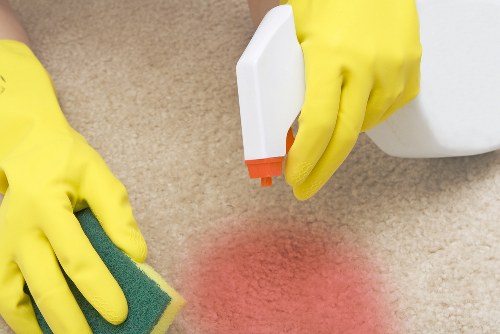 This health and safety policy for cleaners W12 sets out the practical standards needed to protect staff, clients, and anyone affected by cleaning work. It reflects the reality of daily cleaning tasks, where hazards can change from one site to another and where safe working depends on clear procedures, proper training, and consistent supervision. A good policy supports safe cleaning practices by setting expectations before work begins and reinforcing them throughout each shift.
The purpose of this policy is to reduce risk during routine and specialist cleaning activities. It applies to all cleaners, supervisors, and any temporary staff involved in cleaning operations. The main areas covered include manual handling, slips and trips, chemical safety, equipment use, personal protective equipment, fire awareness, and incident reporting. By following these requirements, a cleaning team can work efficiently while maintaining a safe environment.
 Every site must be assessed before work starts so that hazards can be identified and suitable controls put in place. This includes checking access routes, floor conditions, electrical equipment, storage areas, and any areas where the public or other workers may be present. A strong cleaners health and safety policy should make it clear that no task should begin until the main risks have been reviewed and the worker understands the method of work.
Core Safety Responsibilities
Management is responsible for providing safe systems of work, suitable training, and appropriate supervision. Workers are responsible for following instructions, using equipment correctly, and reporting problems promptly. This shared responsibility helps maintain safe cleaning services and prevents small issues from becoming serious incidents. Everyone should understand that health and safety is part of the job, not an extra task.
Training and Competence
All cleaners must receive induction training and task-specific instruction before carrying out work independently. Training should cover correct lifting methods, safe use of detergents and disinfectants, operation of vacuums and other electrical tools, and emergency procedures. Refresher training should be given when processes change or when a risk is identified. Competence should be checked in practice, not only by reading written instructions.
 Chemical safety is especially important in a cleaning health and safety policy. Cleaning products must be stored securely, clearly labelled, and used according to the manufacturer’s instructions. Never mix products unless the label specifically allows it. Workers should understand the meaning of hazard symbols, dilution rates, ventilation requirements, and first-aid steps in case of splashes or accidental exposure. Gloves and eye protection should be worn where required.
Safe Working Practices
Slips, trips, and falls are among the most common cleaning hazards. To reduce these risks, warning signs should be used where floors are wet or being treated. Cables should be routed safely, clutter should be removed from walkways, and mops or buckets should not block access routes. A cleaners safety policy must stress the importance of keeping work areas orderly and communicating hazards immediately.
Manual handling also needs careful control. Cleaners often lift bins, move supplies, or carry equipment between areas. Loads should be kept as light as practical, and heavier items should be split into smaller quantities whenever possible. Workers should bend their knees, keep objects close to the body, and avoid twisting while lifting. If a load seems awkward or too heavy, assistance or mechanical aid should be used.
Electrical equipment must be inspected before use and taken out of service if damaged. Leads, plugs, and sockets should be checked regularly, and only approved equipment should be used in damp or high-risk areas. Any faults should be reported straight away. In a commercial cleaning health and safety policy, the safe isolation of equipment and the prevention of water contact with electrical systems are essential safeguards.
Personal Protection and Workplace Standards
 Personal protective equipment must be selected according to the task being performed. Common items include gloves, aprons, safety footwear, and eye protection. PPE should fit properly, be kept clean, and be replaced when worn or damaged. It is important to remember that PPE supports safety but does not replace safe methods, good housekeeping, or proper supervision. A W12 cleaners policy should require workers to use PPE consistently when the risk assessment says it is needed.
Fire safety and emergency readiness are also part of daily housekeeping. Cleaners should know where exits are located, how to raise an alarm, and what to do if they discover smoke, fire, or a suspicious item. Access routes must remain clear so that evacuation can happen without delay. Waste materials, especially flammable items, should be stored and removed in line with site procedures.
Accidents, near misses, and dangerous occurrences must be reported promptly so that action can be taken. Reporting helps identify trends, improve controls, and prevent repeat problems. When an incident happens, the area should be made safe, first aid should be arranged if needed, and the details should be recorded accurately. A professional cleaners health policy depends on honest reporting and quick follow-up.
Monitoring and Review
Regular checks should be carried out to confirm that this policy is working in practice. Supervisors may review training records, observe work methods, inspect equipment, and speak with workers about any concerns. If new hazards are introduced or a task changes significantly, the risk assessment and control measures must be updated. Continuous review keeps the policy relevant and effective.
The policy should be communicated to all staff in a format they can understand, and it should be available wherever cleaning work is undertaken. Workers should be encouraged to ask questions, raise concerns, and suggest improvements without fear of blame. A positive safety culture is built when everyone understands that careful work protects people and supports reliable service.
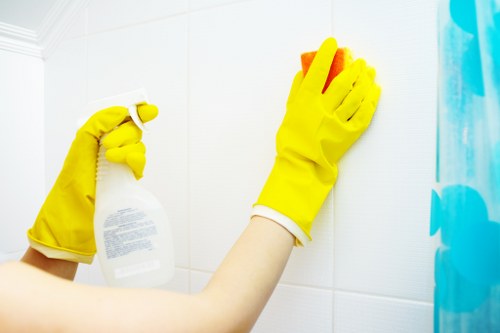 In summary, this health and safety policy for cleaners W12 promotes safe behaviour, clear accountability, and consistent control of everyday risks. By focusing on training, inspection, PPE, safe handling, chemical awareness, and incident reporting, cleaning teams can deliver high standards while protecting wellbeing. A well-run cleaning safety policy is not just a document; it is a working commitment to safe, responsible practice.