Communal area Cleaning in W12 for Homes, Blocks, and Managed Properties
If you are looking for reliable Communal area Cleaning in W12, you are likely dealing with the everyday realities of shared spaces: footprints on the stairs, dust in corners, fingerprints on doors, litter in entrance halls, and the constant need to keep residents, tenants, visitors, and staff comfortable. In a busy part of West London, communal areas do a lot of work. They create the first impression of a building, support hygiene and safety, and help shared properties feel well cared for. Whether you manage a block near Shepherd’s Bush, oversee flats close to White City, or are responsible for a mixed-use building around Hammersmith’s edge, a dependable local cleaning service can make a real difference.
This page is designed for local customers who want practical information before booking. It explains what communal cleaning can include, how the service works, what affects pricing, and why a local team is often the most convenient choice. It also covers common property types in W12, including apartment blocks, converted houses, estates, office buildings, reception areas, and shared commercial premises. If you need a cleaner, healthier, and better-presented shared environment, request a free quote and see how a tailored service can fit your property.
Clean communal spaces are not just about appearance. They affect how a building is used, maintained, and experienced every day. That is why many landlords, managing agents, resident associations, and business owners prefer regular, scheduled attention rather than occasional deep cleaning alone.
Why communal cleaning matters in W12
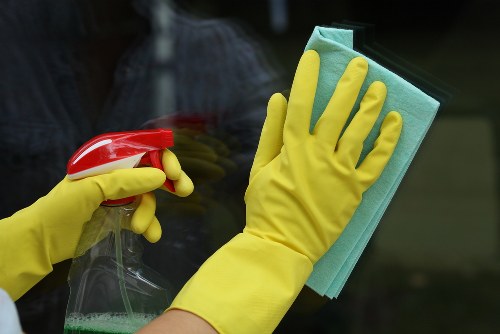
W12 includes a varied mix of residential streets, apartment developments, converted properties, and commercial buildings. That variety means shared areas can become untidy quickly, especially where many people come and go throughout the day. Communal areas are touched more often than private spaces and tend to gather dirt in obvious and hidden places alike. Hallways collect dust, stair edges gather debris, lift panels show fingerprints, and entrance mats trap soil from pavements and transport links nearby.
Communal area cleaning helps protect the standard of a building and makes life easier for everyone using it. For residents, it means a more pleasant daily environment. For landlords and managing agents, it supports property presentation and helps reduce complaints. For businesses, it keeps shared reception and circulation spaces tidy for staff, clients, and visitors. In a part of London where buildings can be close together and foot traffic can be heavy, regular upkeep is especially important.
There is also a practical side to this service. A clean shared area can help highlight maintenance issues early, such as leaks, damaged fixtures, loose fittings, or overflow from bins. When cleaning is carried out consistently, it becomes easier to notice changes before they develop into bigger problems. That makes the service useful not only for appearance, but for day-to-day building care as well.
What our communal area cleaning service can include

Every property is different, so a good service should be adapted to the building rather than delivered as a one-size-fits-all package. A typical communal cleaning plan in W12 may include regular attention to entrances, hallways, staircases, lifts, and shared touchpoints. The exact routine can be adjusted based on the size of the property, the number of occupants, and how often the building is used.
Common tasks may include:
- Vacuuming and sweeping communal floors
- Mopping hard flooring in entrances, corridors, and stair landings
- Wiping banisters, handrails, door handles, switches, and intercom panels
- Cleaning lift interiors, including buttons and mirrored surfaces
- Dusting skirting boards, ledges, window sills, and accessible surfaces
- Removing light litter and debris from shared areas
- Spot-cleaning marks from walls, doors, and glass where appropriate
- Cleaning entrance mats and visible dirt around thresholds
- Refreshing communal bins or waste holding areas as agreed
- Helping maintain shared lounges, mail areas, and reception spaces
Important: the service can be tailored for both residential and commercial settings. A small converted building may only need a simple weekly clean, while a larger managed block may require several visits each week and a broader checklist. Some clients also ask for periodic extras such as internal window cleaning, deeper floor care, or seasonal attention to problem areas.
Property types we regularly support in W12

Because W12 covers such a mixed area, communal cleaning needs can vary widely from one street to the next. Many buildings around Shepherd’s Bush and White City include modern apartment blocks with lifts, secure entrances, and underground or rear access points. Elsewhere, you will find older conversions with shared staircases, narrow hallways, and more delicate surfaces that need careful handling. Some properties have communal courtyards, bike stores, bin enclosures, or shared laundry rooms that also need consistent attention.
We also work with commercial and mixed-use properties. These may include office entrances, shared corridors between units, staff break areas, lobby spaces, and customer-facing communal zones. In these spaces, professional communal cleaning helps maintain a tidy environment for employees and visitors while reducing wear on surfaces and fixtures. Where a building combines flats above commercial units, the cleaning plan usually needs to balance residential expectations with the practical demands of business use.
Local knowledge matters here. Access can be challenging in W12, especially in streets where parking is limited, loading is restricted, or entrances are tucked away from the main road. A local team that knows the area can plan visits more efficiently, work around building access arrangements, and adapt to the realities of West London streets without creating unnecessary disruption.
How the service works

Booking a communal cleaning service should feel straightforward. It usually begins with an initial discussion about the property, the level of use, and the areas that need attention. This can be done around your preferred schedule so the service reflects what the building actually requires. The aim is not to overcomplicate things, but to put together a clear cleaning plan that works for everyone involved.
In many cases, the process follows these steps:
- Assess the building – identify shared spaces, surfaces, access points, and high-traffic zones.
- Set the cleaning frequency – daily, several times a week, weekly, or another arrangement based on need.
- Agree the task list – focus on the areas that matter most, from entrances to stairs and lifts.
- Schedule visits – choose times that minimise inconvenience to residents, tenants, or staff.
- Carry out the cleaning – follow the agreed routine and pay attention to visible standards.
- Review and adjust – update the service if building use changes or extra tasks become necessary.
Many customers value the flexibility of a local service because communal spaces are never static. New residents move in, commercial tenants change, weather affects foot traffic, and bins may need more attention at certain times of year. A well-managed service should be able to respond to those changes without unnecessary hassle.
Why choose a local communal cleaning company in W12?
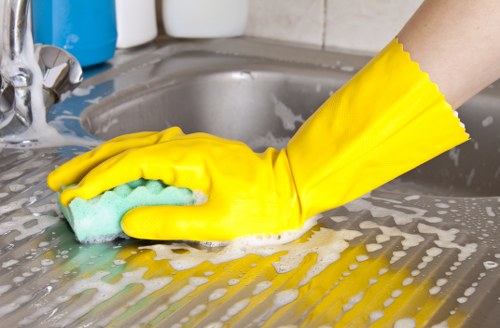
Choosing a local provider brings several practical benefits. First, local teams are generally easier to schedule and more responsive when a building needs attention quickly. If a stairwell has been heavily used after a move-in day, or an entrance area needs urgent tidying before an inspection, a nearby crew can often adapt more easily than a distant one. That kind of flexibility is especially useful in busy West London.
Second, local cleaners understand the realities of the area. W12 includes busy residential streets, main roads with heavier dust and traffic exposure, and developments where access may be shared or secured. Parking, entry codes, concierge arrangements, and loading constraints can all affect how a job is carried out. A team familiar with these conditions can reduce delays and work more smoothly within building rules.
Third, local service often feels more personal. Building managers and resident groups usually want a provider who listens carefully, follows agreed instructions, and keeps the standard consistent from visit to visit. Communal area Cleaning in W12 is not simply a matter of ticking off tasks; it is about maintaining a shared environment that people use every day. The best service is one that fits the building, respects the occupants, and supports a long-term standard of cleanliness.
Benefits for residents, landlords, and property managers
Shared spaces influence how people feel about a building. A tidy hallway or staircase can make a property feel calmer, safer, and better managed. On the other hand, neglected communal areas can quickly lead to frustration, complaints, and a sense that the building is not being looked after. Regular attention helps create a more positive day-to-day experience for everyone.
For residents, the benefits are immediate and visible. Clean floors, dust-free banisters, and fresher entrances make coming home more pleasant. For landlords and managing agents, scheduled cleaning supports tenant satisfaction and can help preserve the reputation of the property. For businesses, orderly shared areas help project professionalism and care. If your building has multiple users, keeping shared zones presentable is one of the simplest ways to improve the overall environment.
There is also a maintenance benefit. Dirt builds up on surfaces, but regular cleaning helps reduce that buildup before it becomes harder to remove. It can also help protect flooring, paintwork, glass, and fixtures from avoidable wear. In that sense, communal cleaning is both a presentation service and a practical part of property care.
What sets a good service apart?
A reliable provider should be consistent, respectful, and easy to work with. Look for clear communication, a sensible cleaning schedule, and a willingness to tailor the work to the property. A good service should pay attention to detail without creating disruption. It should also be able to handle the mix of surfaces and access points common in W12 buildings, from polished entrance floors to narrow stair runs and shared external doors.
Look for practical signs of quality:
- Consistent visit times where possible
- A clear task list agreed in advance
- Awareness of building rules and access procedures
- Flexible support for changing property needs
- Attention to commonly touched surfaces and visible dirt
- Respect for residents, tenants, staff, and visitors
Areas within and around W12 we can cover
W12 covers a part of London that includes a mix of well-known neighbourhoods, transport connections, and busy residential pockets. Customers often need communal cleaning in and around Shepherd’s Bush, White City, East Acton edges, and the wider area where blocks of flats and commercial spaces are close together. Some properties are near bustling high streets, while others sit on quieter residential roads or in managed estates set slightly back from main traffic.
Because the area is so varied, service planning often needs to account for different building types and access conditions. That can mean morning visits before residents leave for work, later slots for office or retail buildings, or careful scheduling around concierge hours, deliveries, and bin collection days. Local familiarity can make these arrangements much easier to manage, especially where parking is limited or where a building has controlled entry.
If your building is in W12 or nearby and needs a regular, dependable cleaning routine, a local provider can usually offer a more practical solution than a generic one-off visit. Book your service now if you want to keep shared areas consistently presentable with less effort from your team or residents.
Pricing factors: what affects the cost?
Customers often want to understand what shapes the cost of communal cleaning before requesting a quote. While exact prices vary from property to property, several factors usually influence the overall service level. Knowing these in advance makes it easier to compare options and choose a plan that fits your building.
Typical pricing factors include:
- Size of the communal area and number of floors
- How often cleaning is required
- Number of entry points, lifts, and shared facilities
- Condition of the property and level of build-up
- Whether external shared spaces are included
- Access arrangements, such as keys, codes, or concierge procedures
- Any extra tasks, such as bin area cleaning or internal windows
It is usually best to request a tailored quote rather than assume a standard price will match your building. A compact conversion with one staircase will not need the same schedule as a larger modern block with lifts, mailboxes, bin stores, and several entrance zones. By matching the service to the actual property, you are more likely to get good value and a result that meets expectations.
Why a tailored quote matters
A tailored quote helps avoid under-cleaning or overpaying for tasks that are not needed. It also gives the service provider a chance to understand any particular issues, such as frequent litter, heavy footfall, or difficult access. This is especially useful in W12, where buildings can differ dramatically even within a short distance. A tailored approach creates a better fit for the property and a cleaner result for the people using it.
Preparation checklist for residents and building managers
Most communal cleaning visits are simple and low-disruption, but a few small preparations can help the service run more smoothly. These are especially useful if your building has secure entry, shared storage areas, or particular rules about access and parking. The more smoothly the visit begins, the more time can be spent on the cleaning itself.
Before the first visit, consider the following:
- Confirm which communal areas should be included.
- Provide access instructions for entrances, keys, or codes.
- Let residents know when cleaning will take place if needed.
- Remove personal items from shared areas where possible.
- Flag any fragile surfaces, sensitive fixtures, or areas requiring care.
- Share details about waste collection points, bin stores, or parking limits.
For blocks with shared management, it can also help to agree on a point of contact. That way, if there is a need to adjust the schedule or report a problem, the process remains straightforward. Good preparation leads to better results, especially where several people use the same space.
Frequently asked questions
How often should communal areas be cleaned?
The right frequency depends on how busy the building is. A small residential block may only need weekly visits, while a larger property with lifts, multiple landings, or heavy foot traffic may need several cleans each week. High-use commercial spaces often require a more frequent schedule to stay presentable.
Can the cleaning be arranged outside busy times?
Yes. Many customers prefer early morning, mid-day, or off-peak visits to reduce disruption. In W12, access timing can be important because of resident routines, business hours, and parking availability. A local team can usually work around those practical issues.
Do you clean lift interiors and shared touchpoints?
These are often included because they are some of the most frequently touched areas in any building. Buttons, handrails, and door handles can collect marks and dirt quickly, so they are commonly part of a standard communal cleaning routine.
What if our building has mixed residential and commercial use?
That is not a problem. Mixed-use buildings often need a carefully balanced cleaning plan, with attention to both resident-facing and business-facing spaces. The service can be adjusted so the right areas receive the right level of care.
Can the service include bin stores or external shared areas?
Often, yes, depending on access and the agreed scope. Many buildings benefit from cleaning around bin enclosures, entrance thresholds, courtyards, and shared access paths, particularly where litter or debris builds up regularly.
Signs it may be time to increase cleaning frequency
Sometimes a building starts with a basic schedule, then needs more frequent cleaning as occupancy increases or seasons change. If residents begin reporting dirt more often, or if hallways are looking untidy before the next scheduled visit, that can be a sign the current routine is no longer enough. Bad weather, extra move-ins, and busier use of entrances can all increase the workload.
Consider a more frequent service if you notice:
- Dust building up faster than expected
- Bins overflowing or creating odour concerns
- Marks and footprints showing soon after cleaning
- Frequent complaints from residents, tenants, or visitors
- Shared areas looking tired or poorly maintained
- More use of lifts, entranceways, or communal staircases
Updating the schedule is often the simplest way to restore a good standard. The aim is to match the service to the reality of the building, not force the building to fit an outdated plan.
Why regular communal cleaning supports long-term property care
In a busy area like W12, buildings are exposed to constant movement, dust, and changing weather conditions. Regular communal cleaning helps keep surfaces in better condition and makes it easier to spot issues early. That means small concerns are less likely to be missed. It also supports a more welcoming atmosphere for everyone who enters the building.
For owners and managers, consistency is especially important. A building that looks cared for sends a strong message about management standards. For residents, it creates comfort and pride in where they live. For businesses, it supports professionalism and a better experience for customers and staff. When shared areas are looked after properly, the whole property benefits.
Whether you manage one staircase or several floors, you want a service that feels reliable and practical. Contact us today to discuss your communal cleaning needs in W12, request a free quote, and arrange a plan that suits your property’s layout and level of use.
Final thoughts for local customers
Choosing the right communal cleaning service is about more than keeping floors tidy. It is about making shared spaces pleasant, safe, and manageable for everyone who uses them. In W12, where buildings can range from compact conversions to larger managed blocks and mixed-use premises, the best approach is one that reflects the property itself. A local team can offer that kind of practical attention, along with easier scheduling, better understanding of access issues, and a service built around real daily use.
If your entrance hall, stairs, corridors, lifts, or shared facilities need more consistent care, now is a good time to take the next step. Request a free quote and explore a cleaning routine that keeps your communal areas looking their best without adding unnecessary work for residents or managers. Book your service now and make your shared spaces easier to maintain throughout the year.